Five Red Flags When Touring Storage Facilities
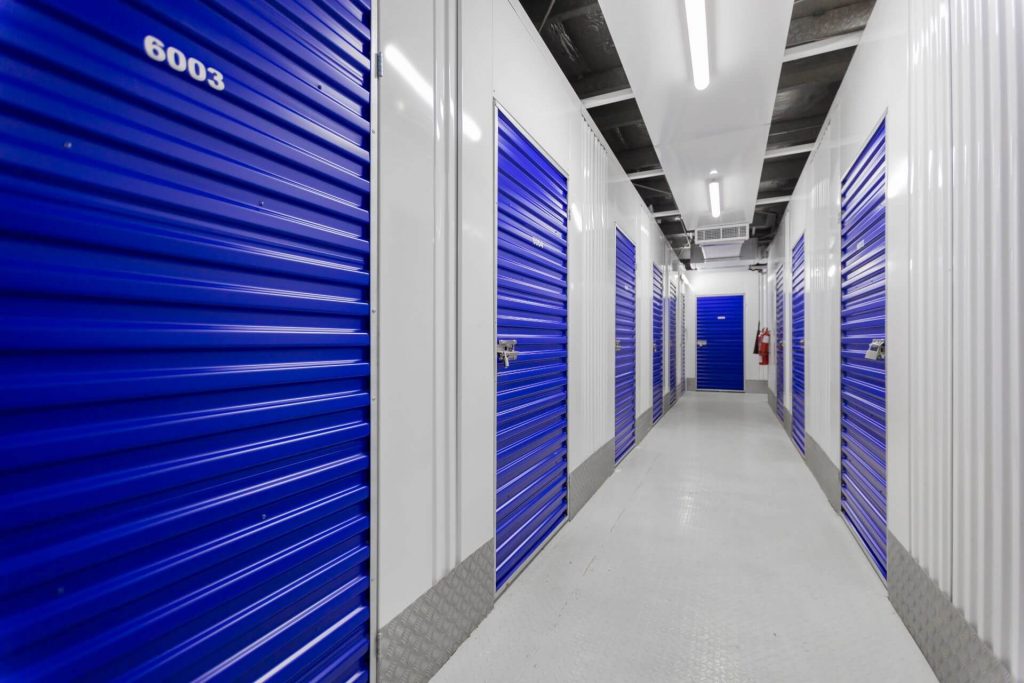
A storage unit should offer peace of mind, not another source of stress. A short tour reveals details that glossy advertisements and attractive prices rarely show. From damp corners to vague rental terms, small warning signs deserve attention before you sign. Inspecting storage facilities in Dubai in person helps protect valuable belongings and avoid expensive surprises later.
1. Poor cleanliness and pest control
Dusty corridors, unpleasant smells, insect activity, and scattered rubbish suggest weak facility management. Check corners, ceilings, doors, and shared loading areas during your visit. Look for rodent traps, pest control records, and regular cleaning schedules. A clean environment protects furniture, clothing, documents, and household equipment. If staff dismiss visible hygiene problems, consider another provider.
2. Weak security measures
A storage facility should have clear security procedures across entrances, corridors, and individual units. Watch for broken cameras, damaged gates, poor lighting, or unrestricted visitor access. Ask staff about surveillance hours, access records, alarm systems, and emergency response procedures. Personal locks offer some protection, but reliable site security also matters. Vague answers deserve serious concern.
3. Dampness and poor ventilation
Moisture damages wooden furniture, cardboard boxes, fabrics, electronics, and important paperwork. During your tour, check walls and floors for water stains, mould, condensation, or musty smells. Ask how the facility controls humidity and handles leaks during heavy rain. Climate controlled units’ suit sensitive belongings, while proper ventilation helps maintain a healthier storage environment.
4. Unclear pricing and rental terms
An attractive introductory rate may hide extra charges. Ask about deposits, insurance, administration fees, late payment penalties, access charges, and price increases. Read the rental agreement before making a commitment. Staff should explain billing dates, cancellation rules, and notice periods in plain language. If the provider avoids direct answers or refuses to share written terms, treat the situation as a warning.
5. Poor maintenance and unhelpful staff
Damaged doors, faulty lifts, broken lighting, and cluttered access routes suggest weak maintenance standards. Observe how staff respond to questions during your visit. Helpful employees explain unit sizes, access arrangements, safety procedures, and complaint handling without pressure. Ask how quickly the team addresses repairs and who handles urgent concerns. Poor communication during a tour may signal frustrating service later.