How Structural Steelwork Contractors Manage Subcontractors
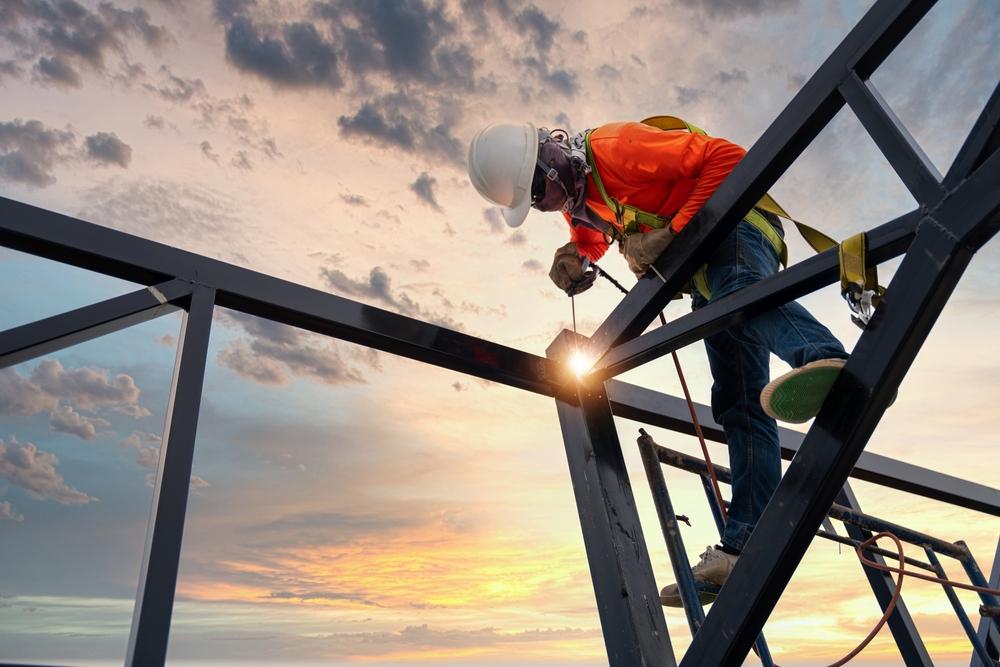
A structural steel project can involve multiple subcontractors handling fabrication, welding, transportation, crane operations, and on-site installation. When their schedules, responsibilities, and work standards fall out of sync, even a minor coordination issue can cause costly delays.
This article examines how structural steelwork contractors coordinate subcontractors, manage competing priorities, and keep complex projects on schedule without compromising safety or workmanship.
Setting clear responsibilities
Every subcontractor starts with a defined scope of work. The main contractor outlines duties, deadlines, technical standards, reporting lines, and site rules before work begins. Fabrication teams follow approved drawings, while erection crews handle assembly and alignment. Written agreements also explain who supplies tools, equipment, labour, and consumables.
Detailed boundaries prevent overlapping duties and reduce arguments when teams share work areas. Managers review each subcontractor’s responsibilities during kickoff meetings and address unclear details before site activity starts.
Checking qualifications and compliance
Steelwork managers review licences, insurance documents, safety records, and relevant trade qualifications before appointing subcontractors. They also check previous project records and inspect examples of completed work. Welding teams must follow approved procedures, while crane operators require suitable credentials and equipment training.
Site managers verify compliance with local regulations and project specifications. Regular document checks help maintain standards throughout the contract. A reliable subcontractor also reports staffing changes, equipment issues, and certification updates without delay.
Coordinating schedules and site activity
Several subcontractors may share limited working space, lifting equipment, access routes, and delivery areas. Managers prepare a coordinated schedule that links fabrication, transport, lifting, bolting, welding, and inspection activities. Weekly meetings highlight upcoming tasks, material arrivals, and possible clashes.
Daily briefings give crews clear priorities and identify restricted zones. When one team falls behind, managers assess the effect on connected activities and revise the sequence. Clear communication helps prevent idle labour, duplicated tasks, and unnecessary site congestion.
Monitoring quality and safety
Regular inspections help managers catch defects before they affect later construction stages. Supervisors review weld quality, bolt tension, member alignment, connection details, and surface protection. They also check lifting plans, fall protection, hot work permits, and equipment condition.
Subcontractors report hazards and correct unsafe practices promptly. Inspection records, photographs, and test reports provide evidence of compliance. Consistent monitoring protects workers and supports the required structural standards.