The Intersection Of Property Development And Climate Change
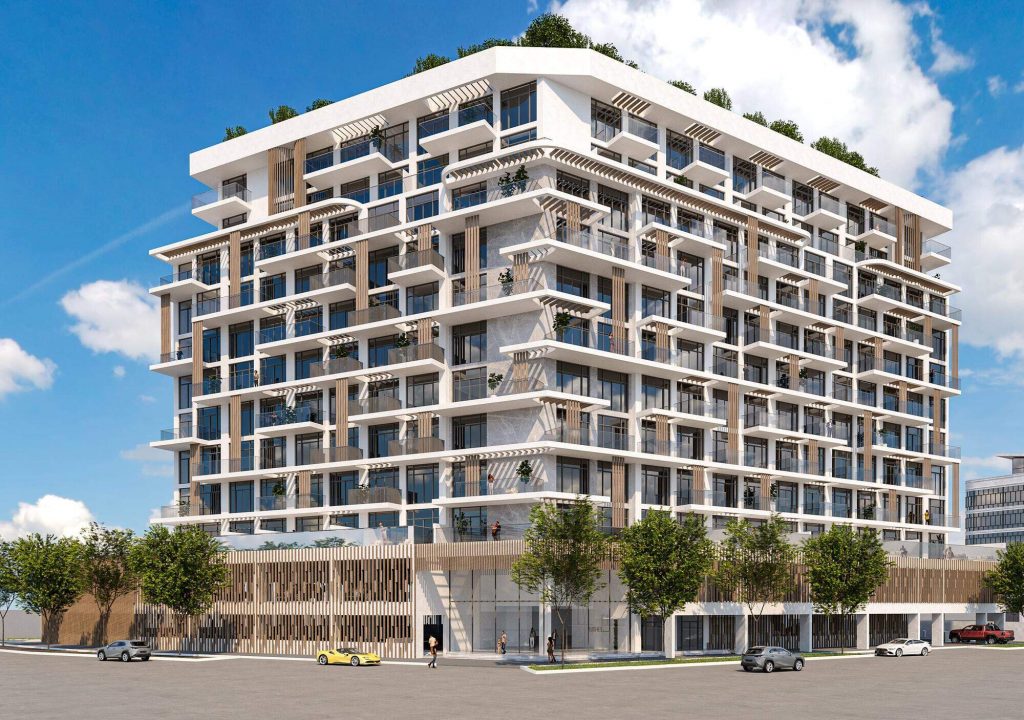
Changing weather patterns influence property decisions across cities, suburbs, and coastal regions. Rising temperatures, stronger storms, flooding, and water shortages push developers toward smarter building choices. Buyers also show greater interest in efficient homes with lower running costs.
As climate pressures grow, developers rethink materials, locations, energy systems, and community features, making sustainability a central part of modern property development Dubai strategies today.
Climate risks influence property decisions
Climate conditions affect land values, construction budgets, and project timelines. Areas exposed to flooding, wildfires, extreme heat, or coastal storms face greater financial pressure. Developers study local weather records and future climate projections before selecting sites. They also assess drainage, water supply, soil conditions, and access to essential services. These checks help teams select locations with stronger long-term prospects.
Building for extreme weather
Modern projects use stronger materials and practical designs to handle harsh weather. Developers install impact-resistant windows, reinforced structures, efficient drainage systems, reflective roofing, and improved insulation. These features help buildings handle heat, heavy rain, strong winds, and temperature shifts. Such upgrades also support occupant comfort and reduce repair costs after severe weather events.
Energy efficiency gains importance
Energy performance now influences many development decisions. Developers add solar panels, efficient lighting, smart temperature controls, high-performance insulation, and energy saving appliances to new properties. These systems reduce electricity consumption and lower monthly expenses for occupants. Efficient buildings also appeal to buyers who value practical operating costs alongside modern design and comfortable interiors.
Water management supports resilience
Water scarcity and intense rainfall present two different challenges for property projects. Developers address both through rainwater collection, efficient irrigation, permeable surfaces, storage systems, and low flow fixtures. Green spaces can support drainage during heavy rainfall while reducing pressure on municipal systems. These features help properties manage water resources with greater efficiency across changing climate conditions.
Sustainable materials influence construction
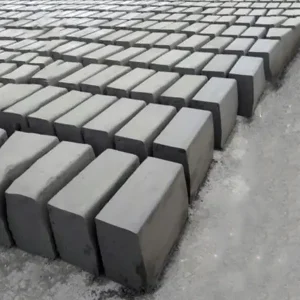
Material selection also receives greater attention from developers. Recycled steel, responsibly sourced timber, low emission finishes, durable roofing products, and locally sourced materials support efficient construction practices. Developers also assess product lifespan and maintenance requirements before choosing materials. Durable options reduce replacement work and support stronger long term value for property owners.