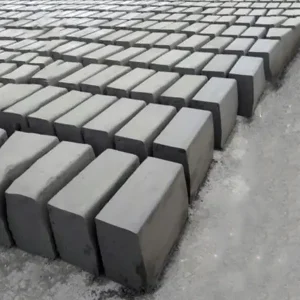
How Solid Blocks Improve Structural Strength
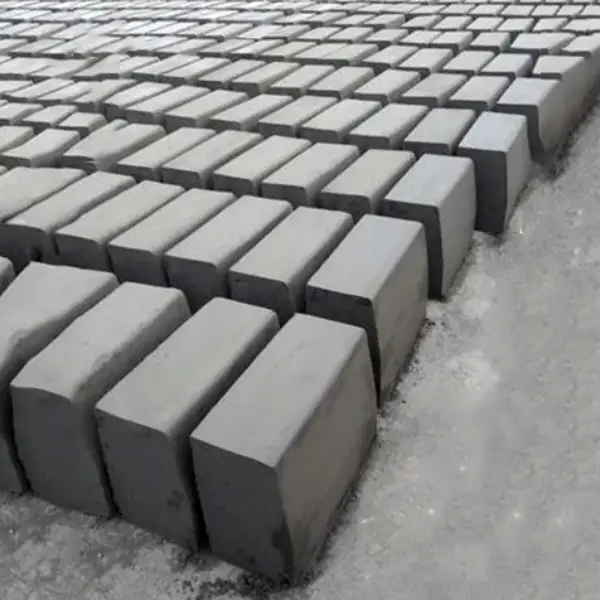
Strong buildings start with dependable materials that support weight, resist pressure, and maintain stability through daily use. Solid blocks offer dense construction with consistent strength, making them a practical choice for walls, foundations, partitions, and other structural areas. Their compact composition gives masonry greater resistance against compression and physical stress.
The purchase of quality materials from a trusted solid block supplier in Dubai helps builders achieve reliable structural performance from the base upward.
Dense composition supports strength
Solid blocks contain a compact mixture that gives them strong load bearing capacity. Their dense structure handles substantial pressure from walls, floors, and upper sections of a building. This property makes them suitable for areas where masonry must withstand regular structural loads.
Their uniform shape also supports accurate placement during construction. Properly aligned blocks form stable masonry courses, helping distribute weight across the wall instead of concentrating pressure on small sections. Good block quality therefore supports both strength and consistency.
Better resistance to pressure
Buildings face pressure from their own weight, furniture, equipment, weather conditions, and everyday activity. Solid blocks provide strong resistance against compressive forces, which makes them useful for demanding construction projects.
Their solid body gives fewer internal gaps compared with hollow masonry units. This feature allows the block to withstand pressure across a broad surface. When workers combine quality blocks with suitable mortar and correct installation, walls gain dependable stability.
Supports durable wall construction
Durability remains an important factor in structural masonry. Solid blocks resist impact and maintain their physical form under regular use. They also provide a firm base for plaster, finishes, fixtures, and other wall treatments.
Proper curing and manufacturing further support block performance. Manufacturers who follow consistent production practices produce units with reliable dimensions and strength. Builders can then achieve stronger masonry with fewer concerns about uneven joints or weak sections.
Improves overall building stability
Strong masonry contributes to the stability of an entire structure. Solid blocks help form firm walls that resist movement and support connected structural elements. Their weight and density also give walls a substantial feel, which supports stability during everyday use.
Engineers and builders select block types according to project specifications, load conditions, wall thickness, and construction requirements. Correct material selection paired with skilled installation gives the best structural results.