The Hair Lice Shampoo Mistake That Leaves Eggs Behind
The lice may seem to disappear after a shampoo treatment, but a few overlooked eggs can bring the infestation back days later. This article examines the mistakes that can undermine hair lice shampoo treatments and explains how to avoid leaving eggs behind.
Using too much shampoo
Applying extra shampoo does not guarantee better results. Excess product may irritate the scalp while failing to reach every section evenly. Parents sometimes assume heavier application kills eggs faster, but proper coverage matters far more. Follow the product directions and spread the treatment across the scalp and hair as instructed. Consistent application gives the product a better chance to work effectively.
Missing the scalp and roots
Lice stay close to the scalp because they feed there and lay eggs near warm skin. Applying shampoo mainly across the hair lengths leaves important areas untreated. Divide the hair into small sections and apply the product close to the scalp. Pay special attention behind the ears and around the neckline, where lice and eggs commonly remain.
Rinsing too soon
Some treatments require a specific contact period before rinsing. Washing the product away too early reduces its effectiveness against active lice. Use a timer and follow the package instructions precisely. Avoid guessing the treatment time based on how the scalp feels. Proper timing gives the active ingredients enough opportunity to work as intended.
Ignoring the eggs
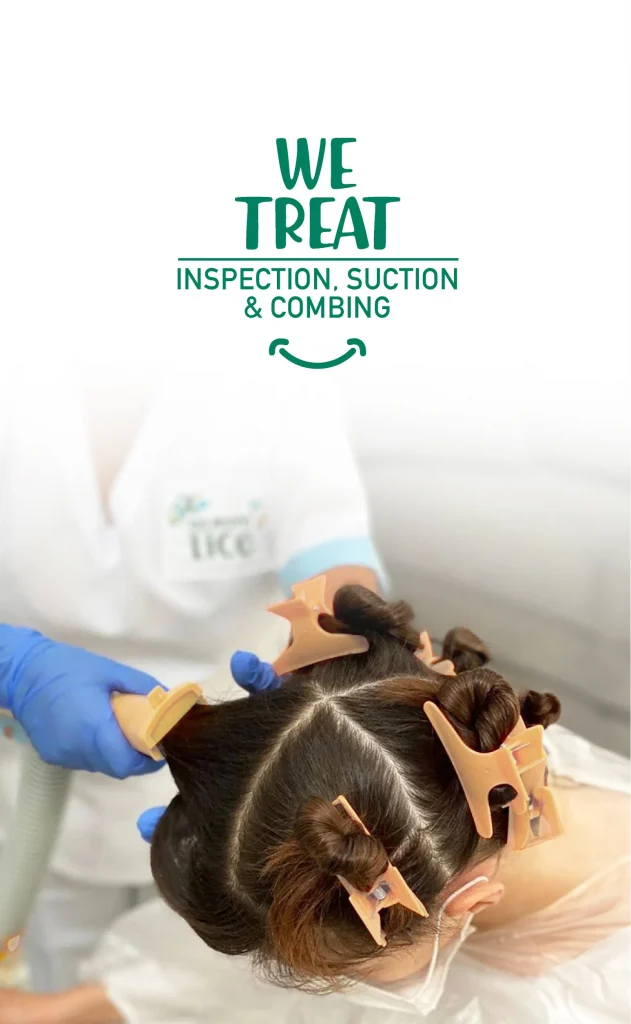
Killing live lice does not automatically remove every egg attached to the hair. Nits grip individual strands firmly and may remain after treatment. Use a fine toothed lice comb after treatment and work through small sections carefully. Wipe the comb after each pass and inspect the hair under bright light. Repeated combing helps remove remaining eggs and debris.
Skipping the follow up treatment
Many lice products require another treatment after several days because newly hatched lice may appear after the first application. Skipping this step gives surviving lice an opportunity to mature and reproduce. Check the product label and follow its recommended schedule. Regular scalp checks also help spot fresh activity before the problem spreads again.
Repeating mistakes during treatment
Lice treatment works best when parents follow instructions closely and check the entire scalp afterward. Avoid sharing combs, brushes, hats, pillows, or other hair items during an active infestation. Wash recently used bedding and clothing according to care instructions. A calm routine, thorough combing, and correct product use help reduce the chance of another outbreak.